
MIDDLEBURG – A bucket excavator made a throaty burp with a black puff of smoke as it pushed over another tree behind Mercy Support Services shortly after 8 a.m. …
This item is available in full to subscribers.
To continue reading, you will need to either log in to your subscriber account, below, or purchase a new subscription.
Please log in to continueDon't have an ID?Print subscribersIf you're a print subscriber, but do not yet have an online account, click here to create one. Non-subscribersClick here to see your options for subscribing. Single day passYou also have the option of purchasing 24 hours of access, for $1.00. Click here to purchase a single day pass. |


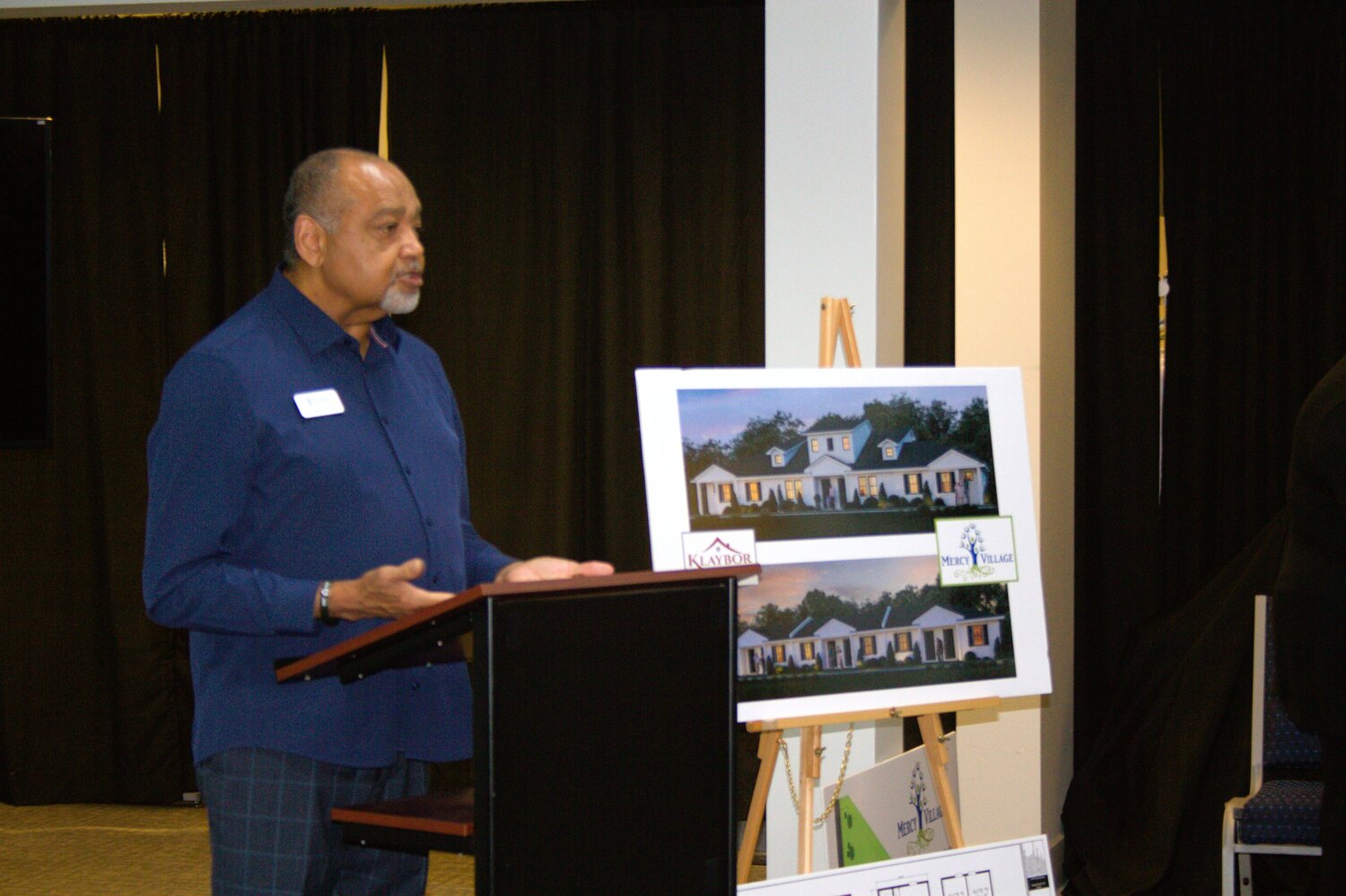


MIDDLEBURG – A bucket excavator made a throaty burp with a black puff of smoke as it pushed over another tree behind Mercy Support Services shortly after 8 a.m. on Thursday, Feb. 19.
Once a thicket of tall underbrush and pine trees, the lot was being transformed into mounds of broken timber and tree limbs.
And hope.
Mercy CEO R. Patrick Hayle addressed the monthly meeting of the Clay SafetyNet with the news that had been years in the making. After years of delays and cost increases, Mercy Village, a community focused on transforming lives of individuals, families and young adults facing housing insecurity or facing homelessness, was finally underway.
“We knew it was going to happen; we just didn’t know when,” R. Patrick said. “We wanted to get started in 2020. What else happened in 2020? COVID. By the time the nation came through the pandemic, the cost of building the only centralized service that concentrated on homelessness in Clay County had nearly doubled."
The original plan called for a three-story apartment building. The original pre-COVID costs were estimated at $12 million. Those estimates swelled to $23 million after the pandemic.
The years of planning and fundraising for Mercy Village started to feel pointless. Then Hayle, Executive Director Dena Collins and Director of Programs Rev. Dr. Phyllis Simpson got some advice that changed everything.
“We were told to build the village in pods,” he said. “That way we build pieces and pay as we go. So, the first part will be 14 units. When we’re done, we’ll eventually have 34 units. We’re finally building.”
The first phase will cost $3.3 million and include six studio apartments, four two-bedroom and four three-bedroom units.
“That cost includes all of the site clearing for the entire project,” R. Patrick said on Tuesday, Feb. 24. “All of the trees are gone.”
Simpson said the Village isn’t for those struggling with addictions or mental health issues. It’s for those who need financial and social structure. Families are mentored to save money, to find – and keep – jobs, repair their credit scores and become assets to the community. Once they are stable, they are encouraged to rent or buy a home and support themselves.
The second phase will complete 20 units in the second and third buildings, while the third phase will complete a community center by 2033.
“This is not a homeless center,” Collins said. “Our list is already full for families who are going to occupy the units. We expect our families will live there between a year to a year-and-a-half. We will be transforming lives here.”
According to Mercy Support Services, the Village was made possible through the collaborative efforts of churches, local government, law enforcement, schools, nonprofit organizations, the business sector and the community at large. They will collaborate to build an extensive solution for those seeking permanent solutions to situational homelessness.
The vision for Mercy Village extends far beyond simply providing shelter. It aims to offer stability, guidance and a pathway to independence for individuals and families experiencing housing insecurity. By introducing a phased building approach, Mercy can expand its reach gradually, ensuring quality and sustainability throughout the project.
This innovative strategy allows the organization to respond to ongoing financial challenges and changing community needs, fostering a supportive environment that prioritizes self-sufficiency, education and personal growth to reduce generational poverty by 2033.
“I get out and walk around the property every morning,” R. Patrick said. “I look out the window all the time at the empty lot, I’m so excited to see it happening. This dream is becoming a reality.”
